Healthcare / Medical XR
Medical XR guidance and visualization
Mixed reality workflows with anatomy visualization, procedure guidance patterns, and training constraints.

VeeRuby helps teams design and build XR, spatial computing, and applied AI systems that need to move past demo polish into working product behavior.

Our Harmony research track studies how gaze, body pose, hand interaction, and task state can improve real-time context for practical adaptive interfaces.

From medical visualization to remote rendering pipelines, VeeRuby turns immersive concepts into workflows teams can test, refine, and maintain.
VeeRuby helps teams deliver deployable spatial and AI systems from research-backed prototypes. Varun Siddaraju carries the research record; Varun Innovates is the public lab for experiments and prototypes.
Representative areas across medical visualization, industrial rendering, education platforms, applied research, and enterprise spatial workflows.

Mixed reality workflows with anatomy visualization, procedure guidance patterns, and training constraints.

Device-agnostic industrial XR using WebRTC and NVIDIA CloudXR to replace legacy rendering infrastructure.

Immersive curriculum systems with instructor analytics and procedural training modules for enterprise upskilling.

Research into gaze, body pose, hand interaction, and task state fusion for real-time spatial inference.

Remote collaboration and digital twin systems designed for enterprise teams that need repeatable workflows.
The homepage opens with the strongest public examples first, while the full category set stays available for deeper review.
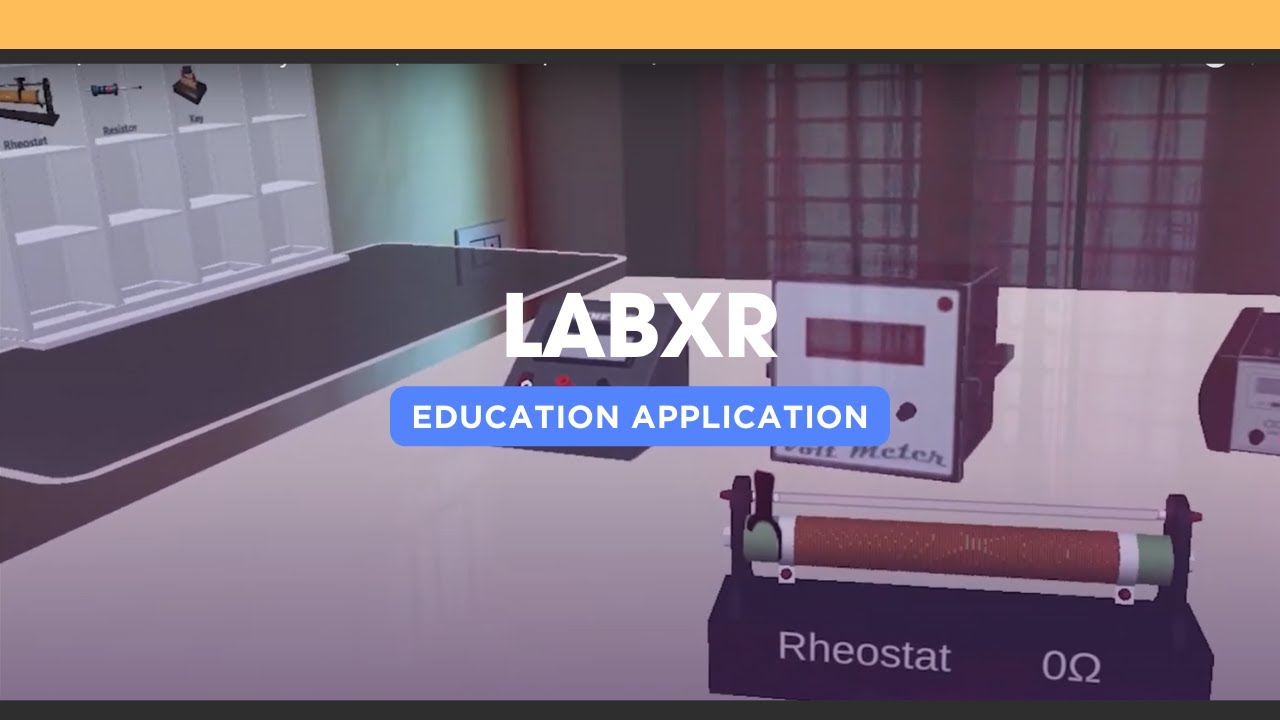
Virtual lab product direction and one of the clearest education-facing company signals.
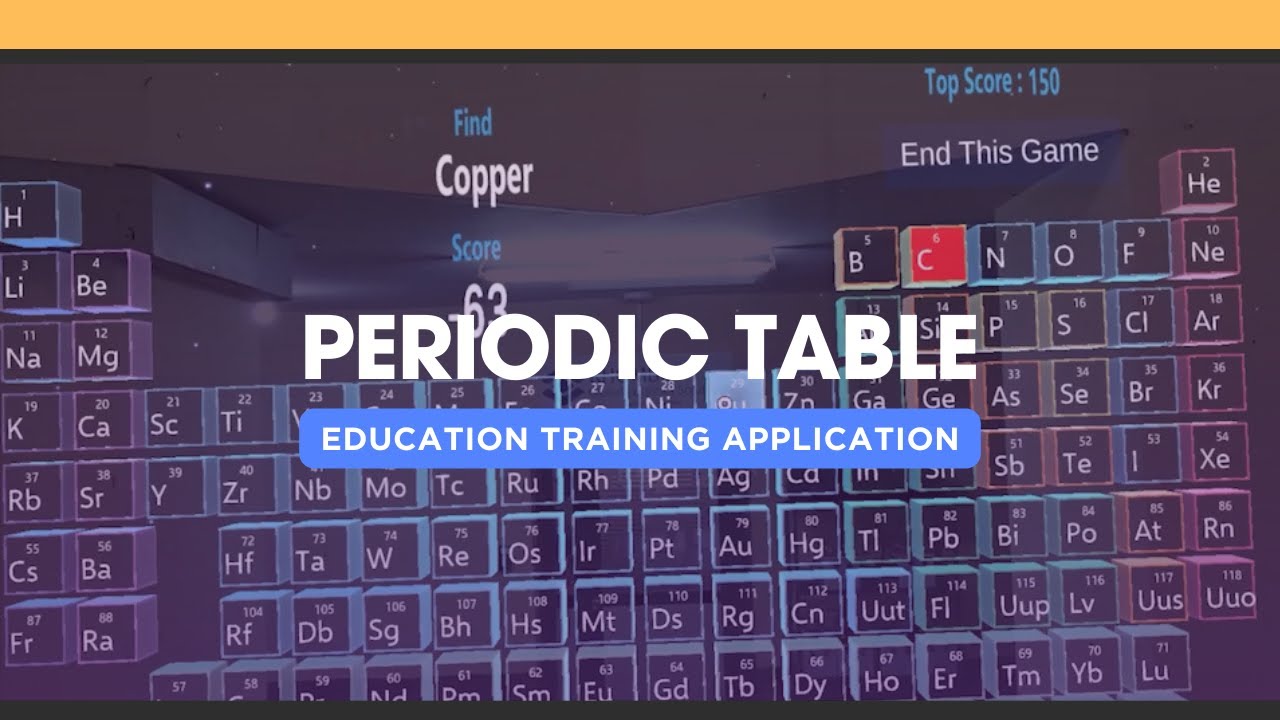
Interactive chemistry learning experience in AR.
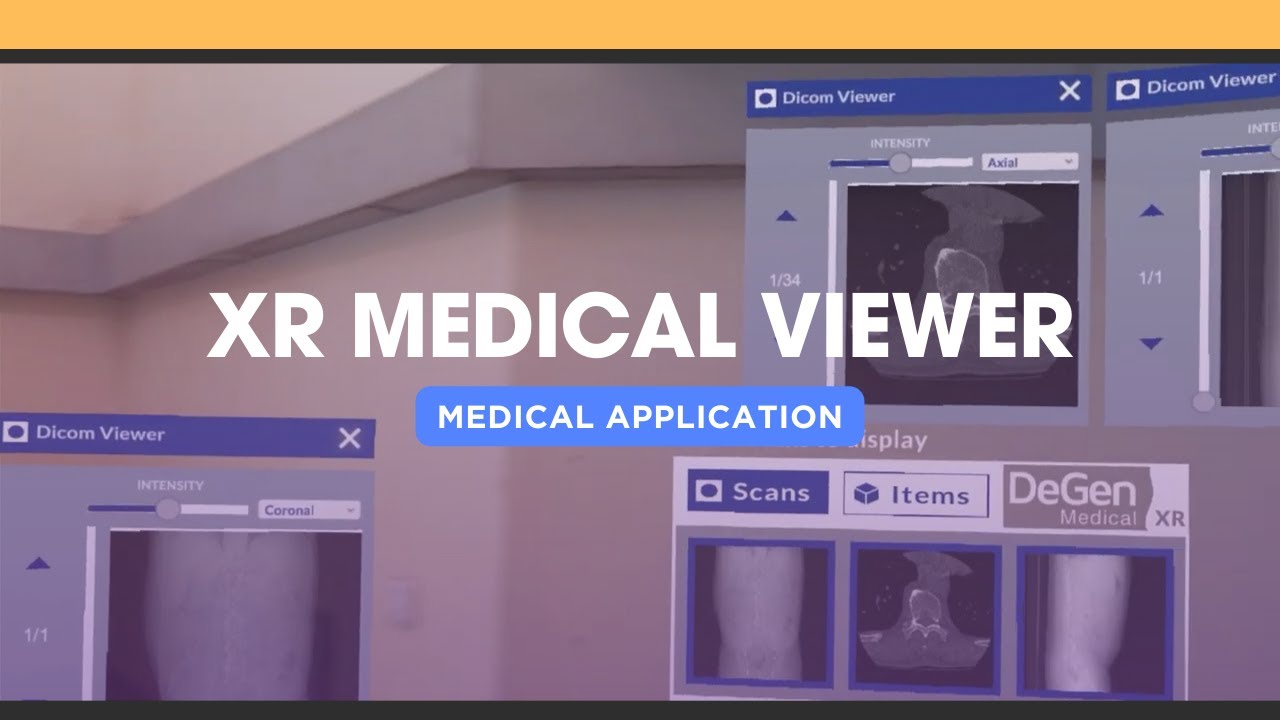
Mixed reality medical visualization for review and guidance workflows.
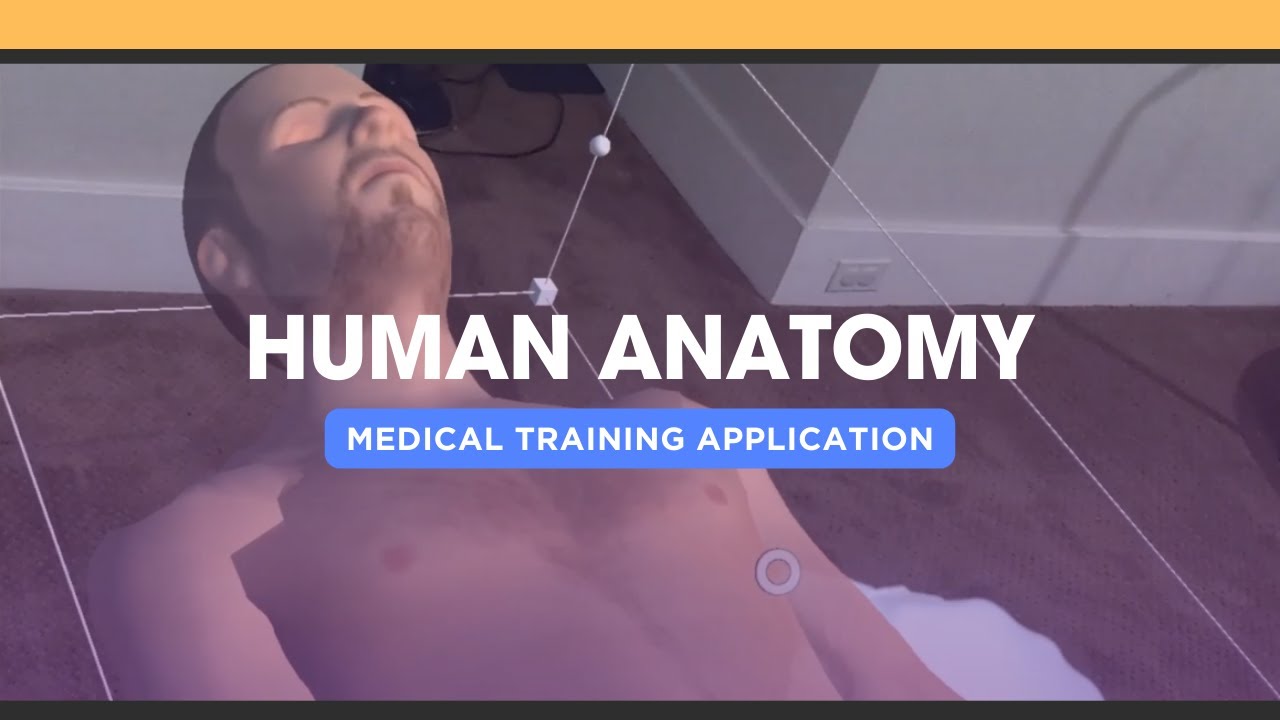
Mixed reality anatomy exploration and learning.
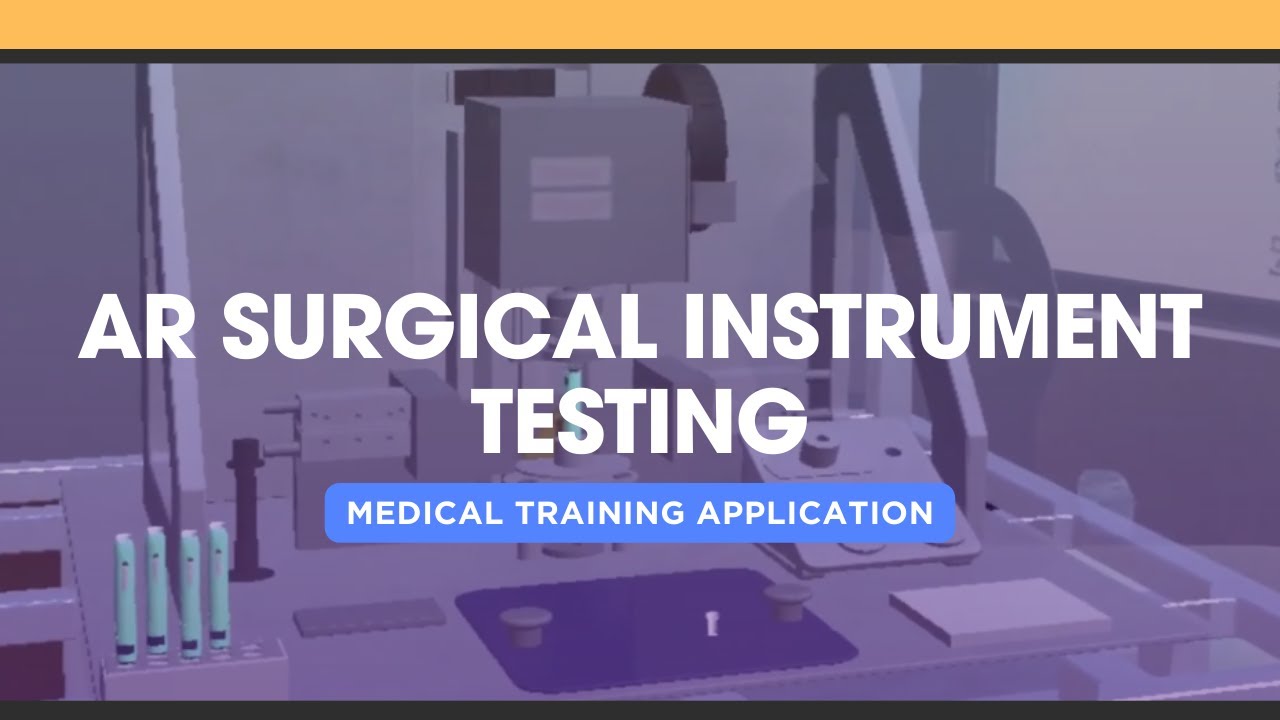
Testing surgical workflow concepts in XR.
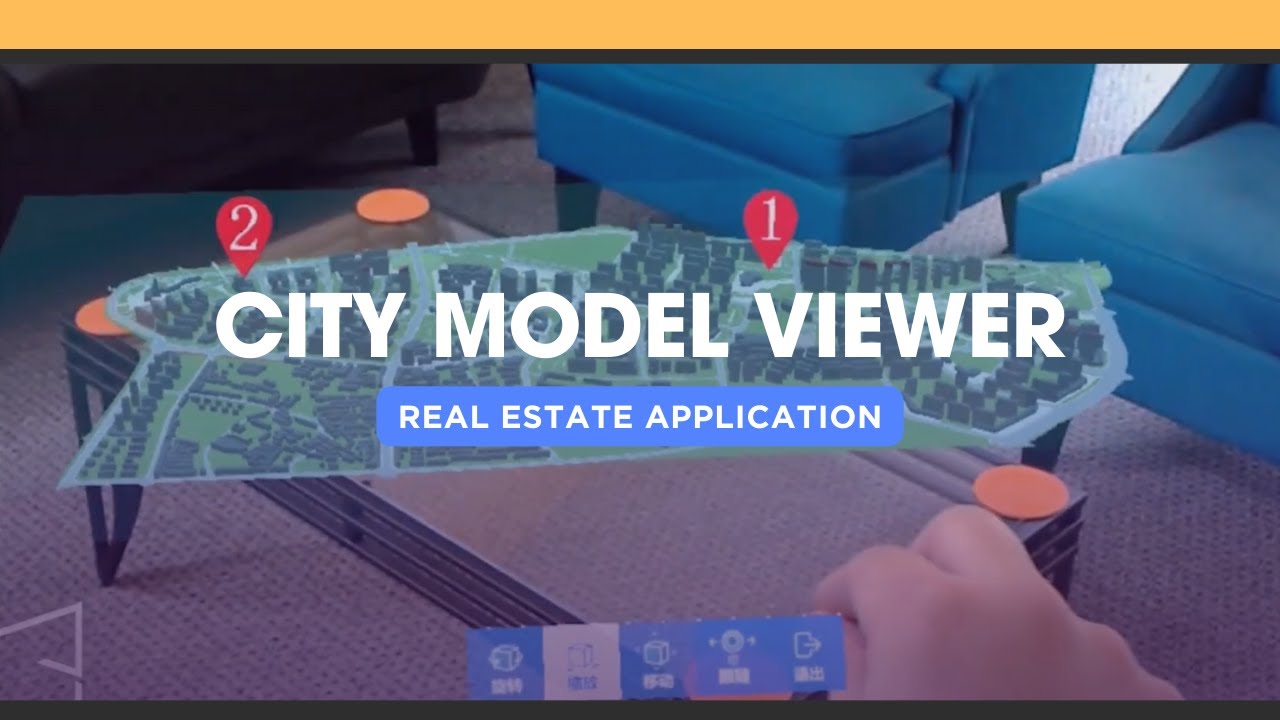
Urban-scale spatial review in XR.
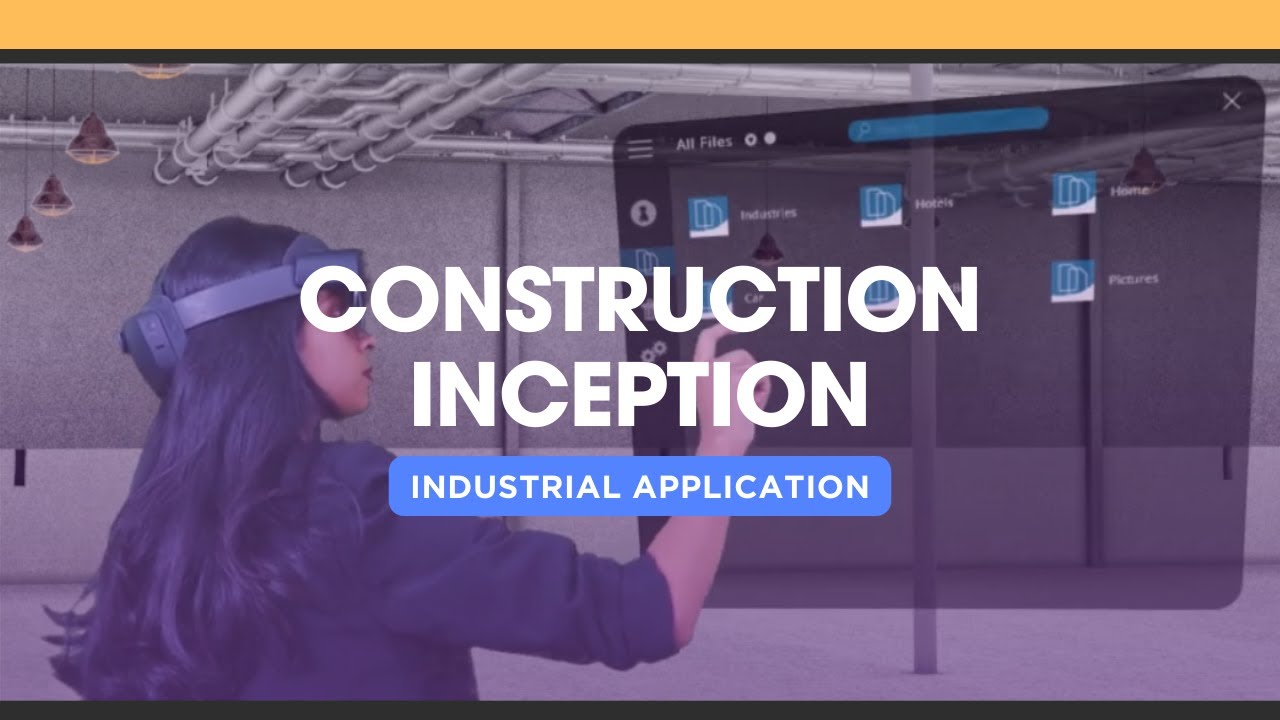
Mixed reality support for site inspection and planning.
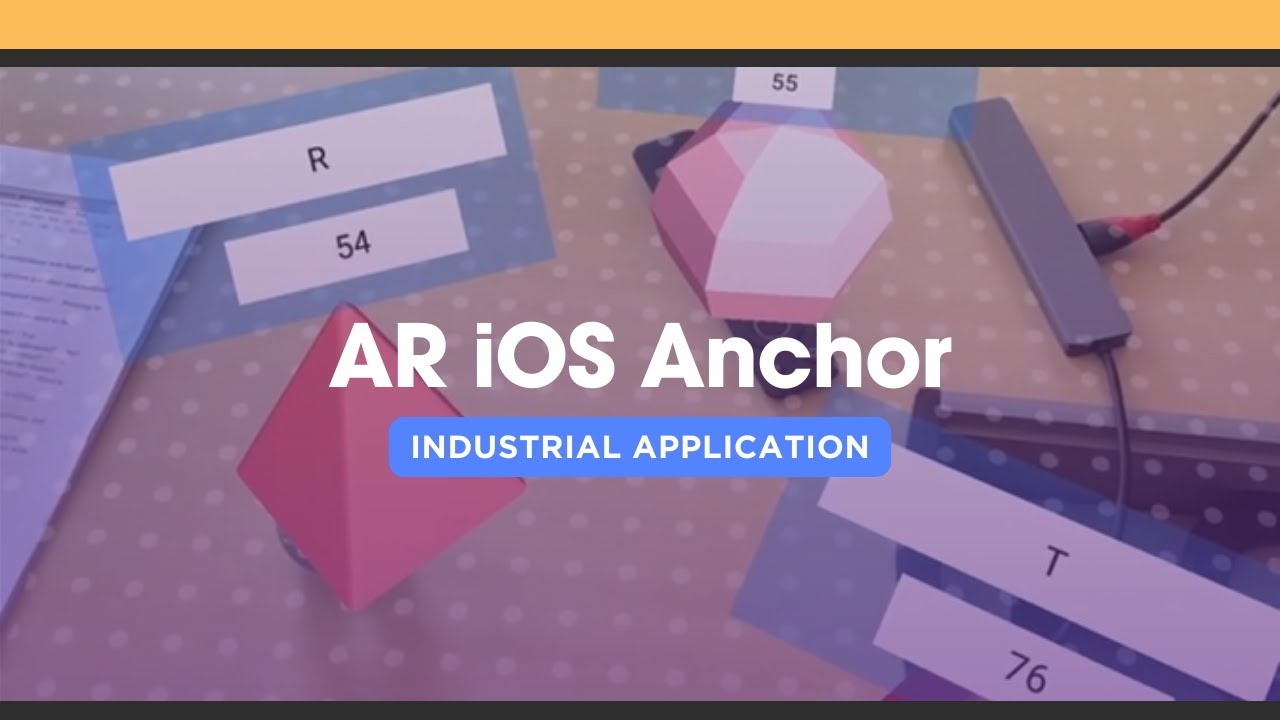
Property visualization with AR anchors and spatial placement.
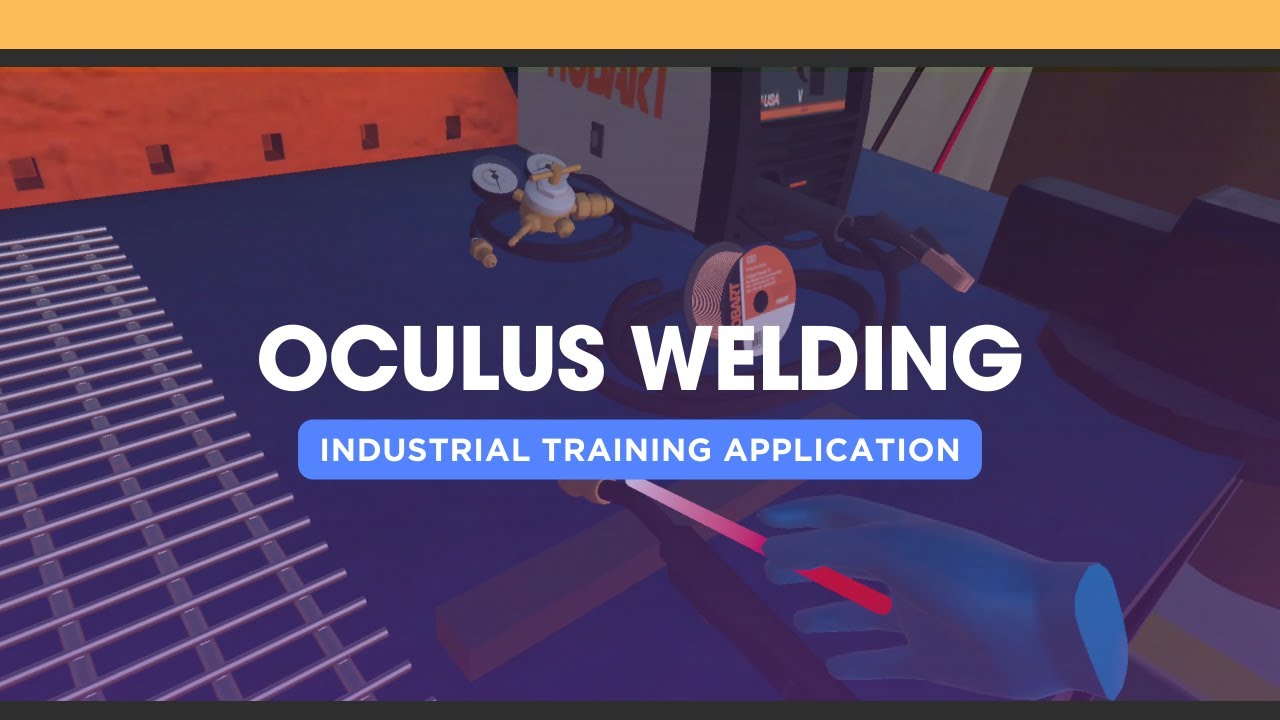
Hands-on welding training simulation.
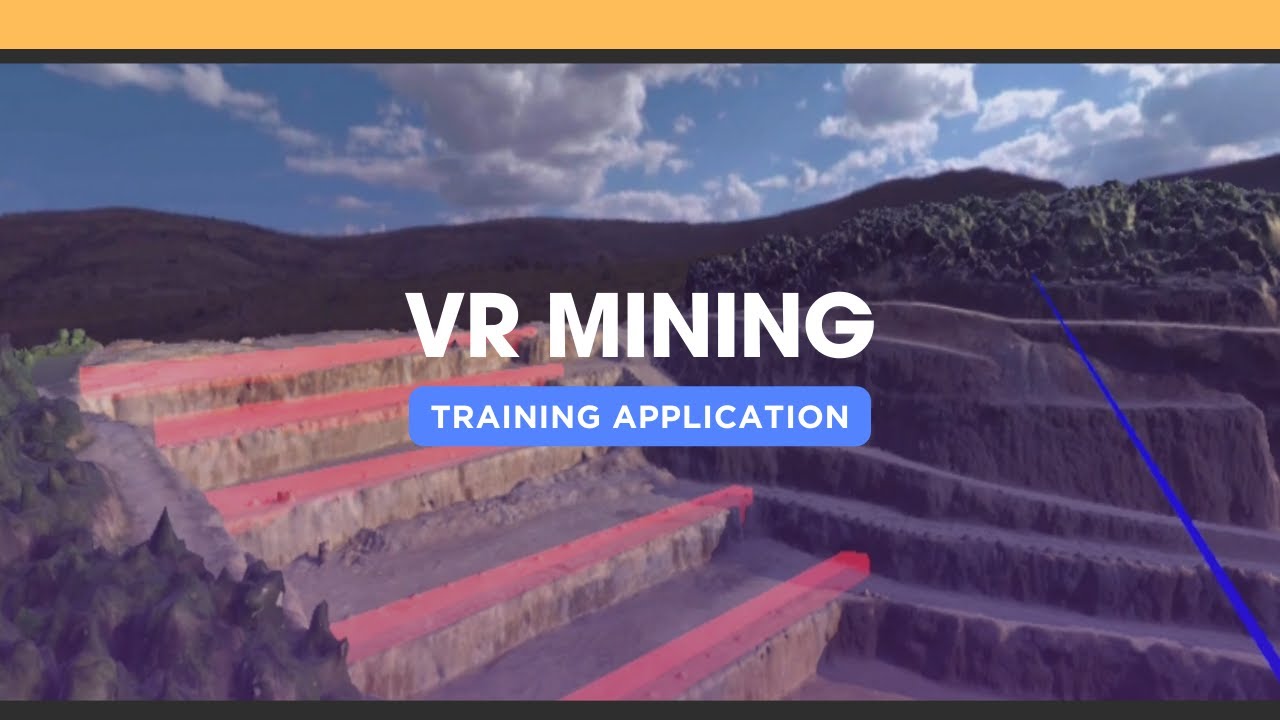
Immersive mining safety and procedural training.
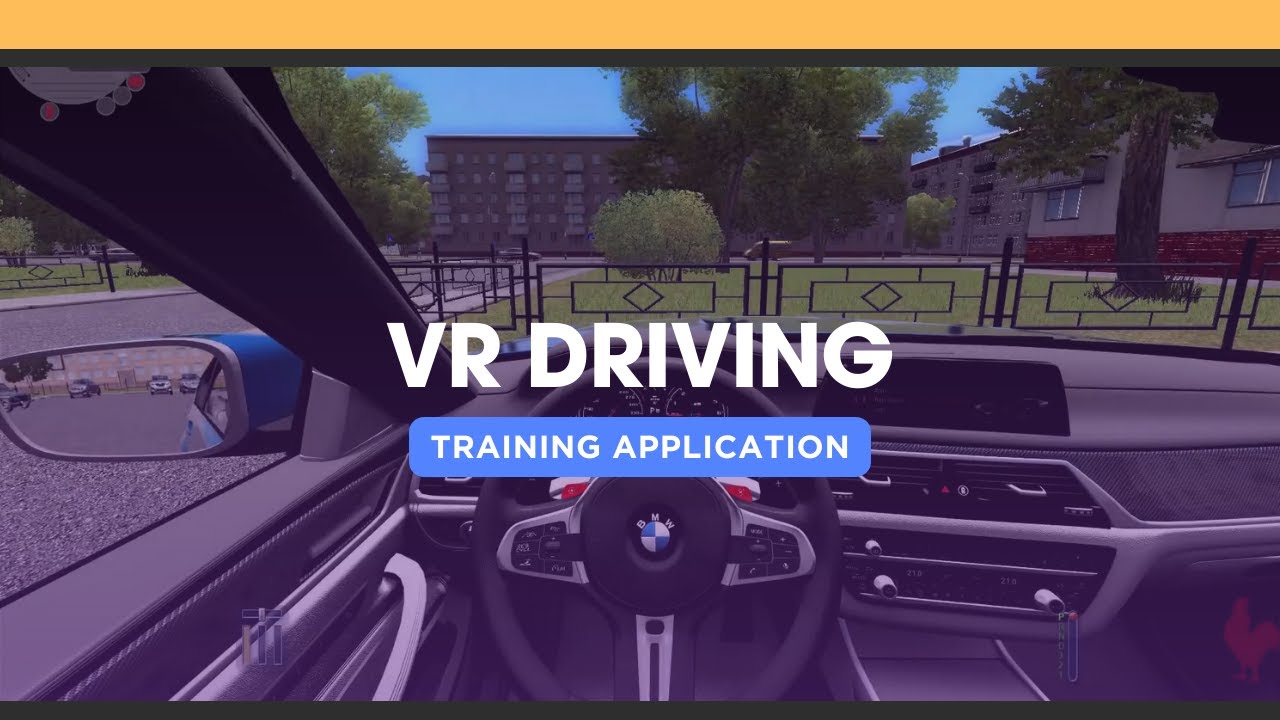
Repeatable driving practice in VR.
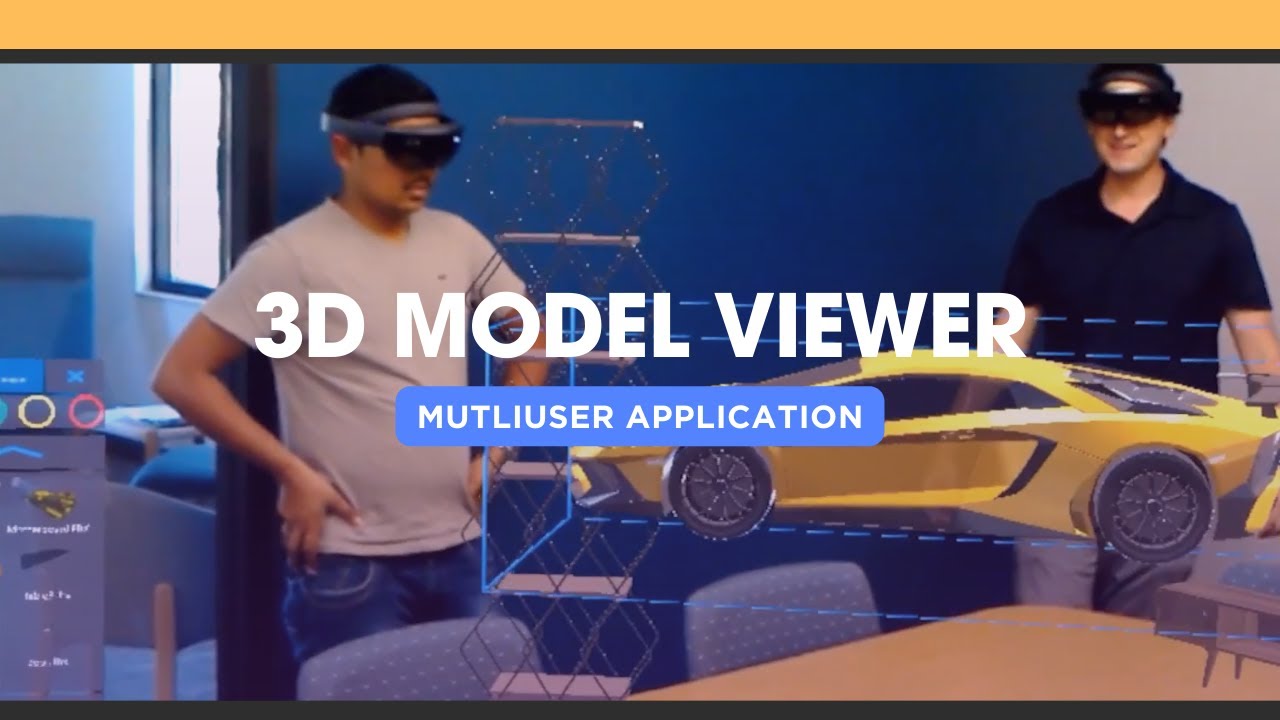
Collaborative engineering review in augmented reality.
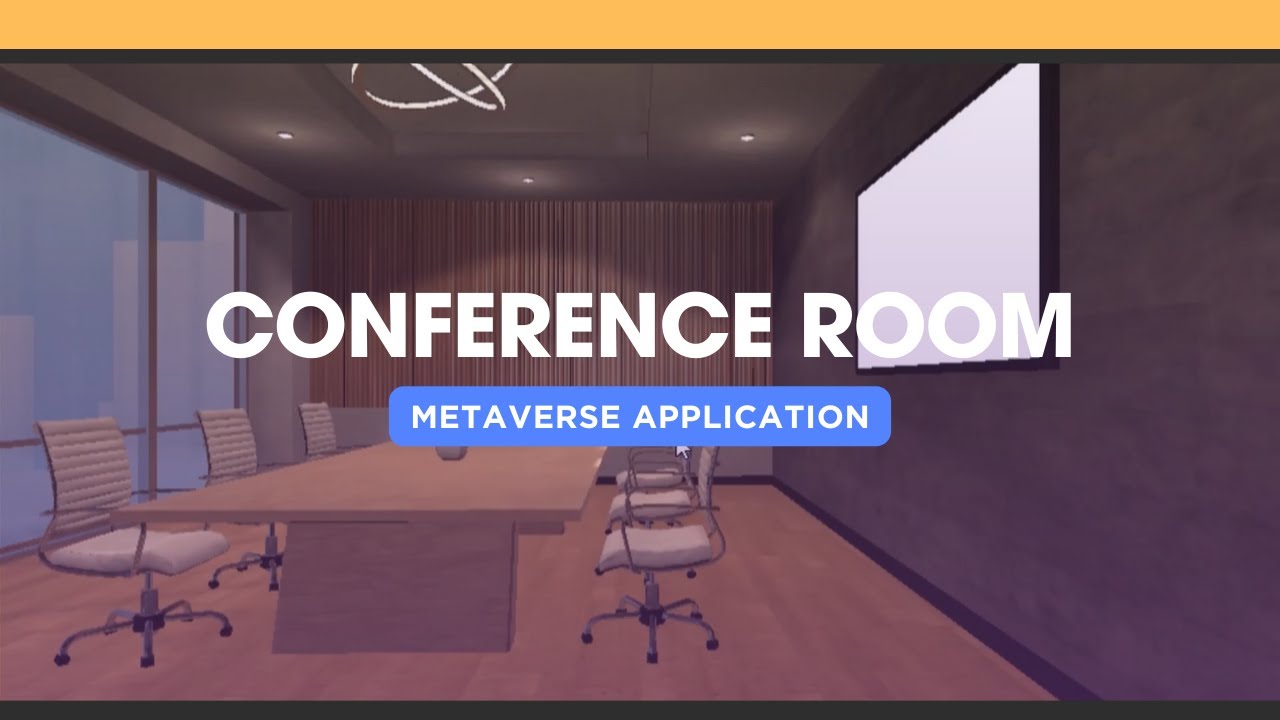
Virtual collaboration room for distributed teams.
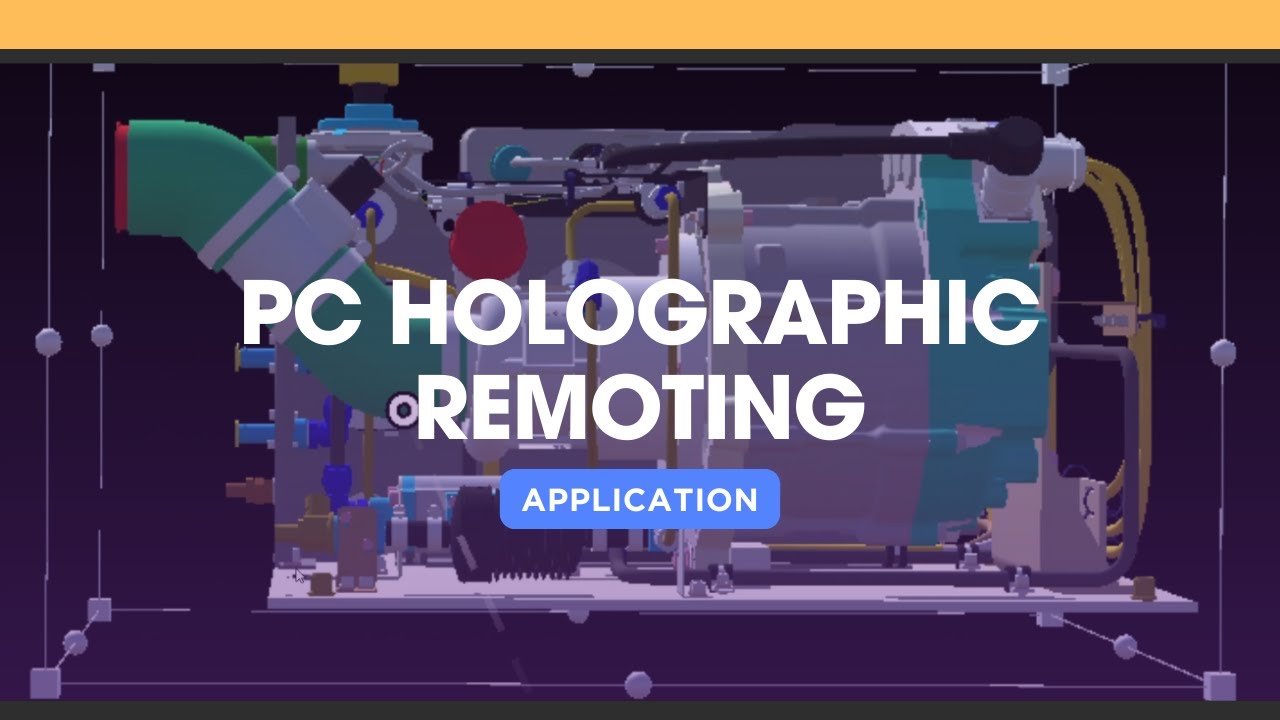
HoloLens-based remote assistance and 3D support workflow.
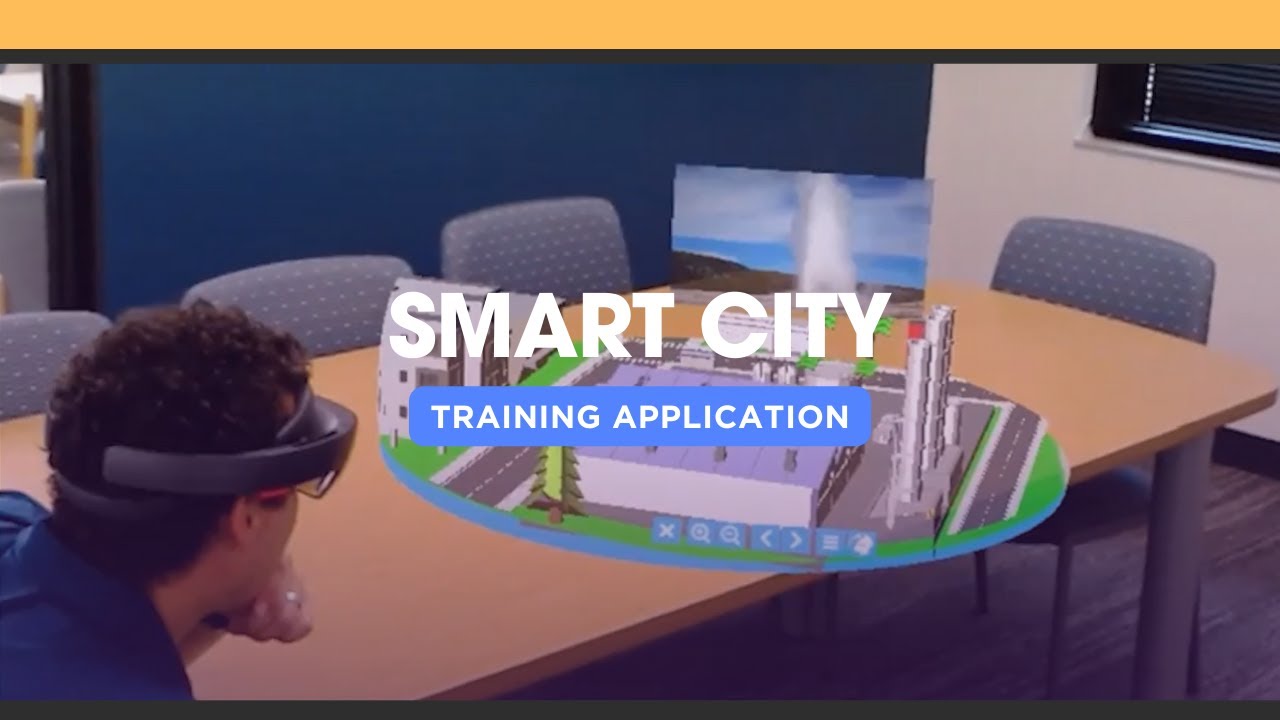
Spatial computing for infrastructure and renewable energy planning.
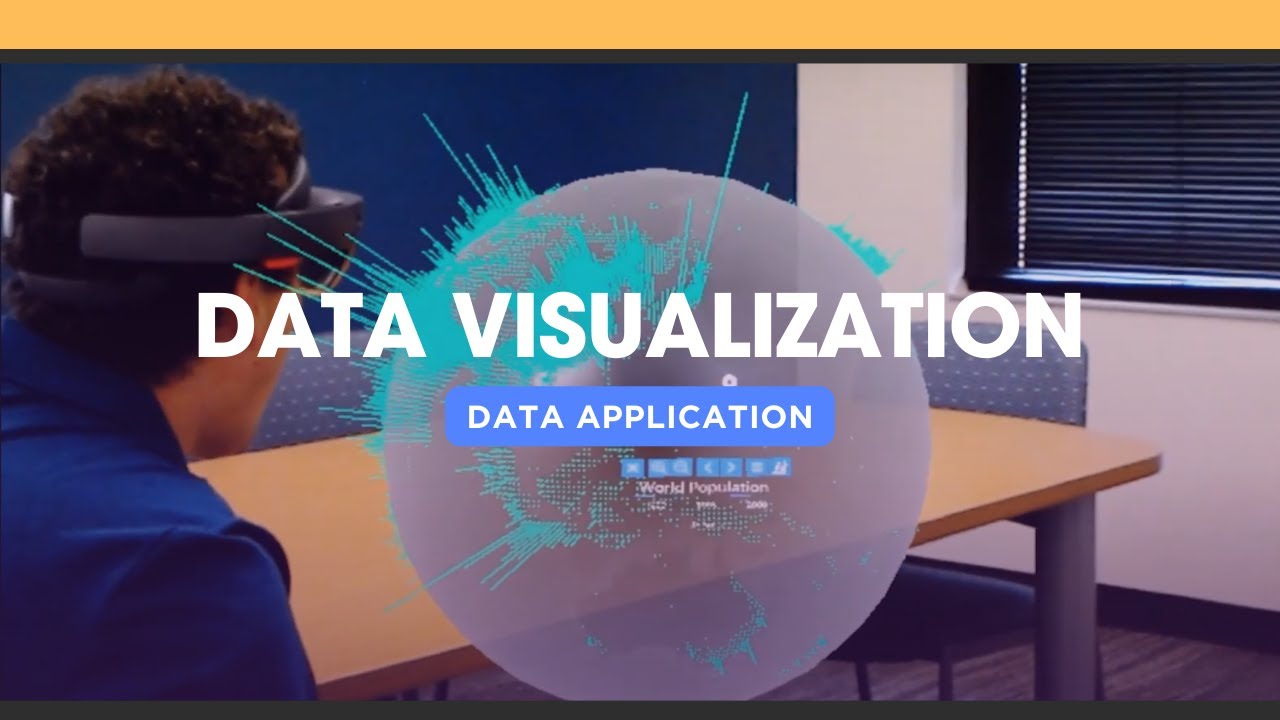
3D globe and geospatial data visualization in mixed reality.
Focused spatial computing solutions for sectors where immersive systems need accuracy, reliability, and measurable operational value.


HARMONY connects applied research to the practical problem VeeRuby keeps seeing in XR work: systems need context, memory, adaptive mediation, and explainable control.
The Harmony research frame turns multimodal XR signals into context descriptors, adapts interface complexity to the task moment, and keeps collaboration state aligned across people, devices, and AI agents.

VeeRuby operates at the intersection of spatial computing, AI systems, and applied research. The company is intentionally focused on XR and spatial intelligence instead of trying to be a broad technology vendor.
With operations across the US and India, the company can support both strategic exploration and production delivery.
How multimodal XR signals can make interfaces adaptive to human intent and operational context.
Why practical XR systems need context, not just location awareness.
Replacing fragile legacy pipelines with scalable rendering architecture for enterprise XR.
Bring VeeRuby in when the work has to move from immersive concept to reliable enterprise system.